

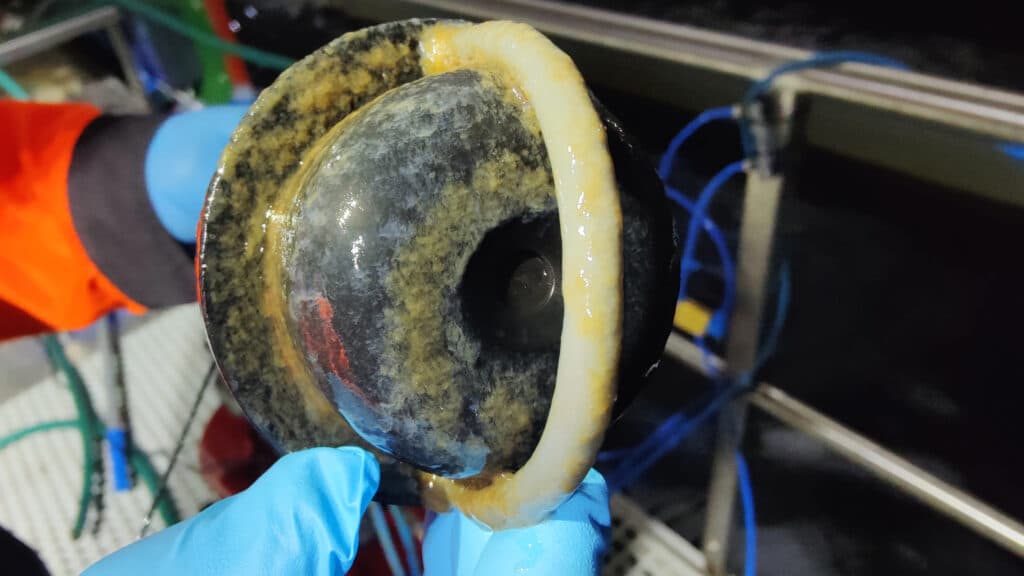
Automated sensor cleaning that saves time, protects data quality and supports fish welfare with minimal manual effort.
In a busy aquaculture facility, sensor maintenance is easy to overlook until data drifts and fish welfare is at risk. Biofilm buildup on probes doesn’t just reduce accuracy; it consumes staff time, increases operational costs and can damage sensor membranes.
Probe cleaning made simple
OxyGuard, a trusted supplier to the aquaculture industry since 1987, has addressed this challenge with the OxyClean system. It is an automated cleaning solution that uses controlled bursts of compressed air or water to prevent biofouling. Installed directly on the probe and integrated with the OxyGuard Pacific system, it requires no daily inspection, no manual cleaning and no extra software.
Effective biofouling reduction at the sensor’s measurement point
After just three months in operation, the difference was clear. Probes with OxyClean stayed clean precisely at the sensor tip, while other areas on the probe showed heavy fouling. The system proved effective and demonstrated the potential to extend sensor life and ensure reliable data with minimal maintenance.
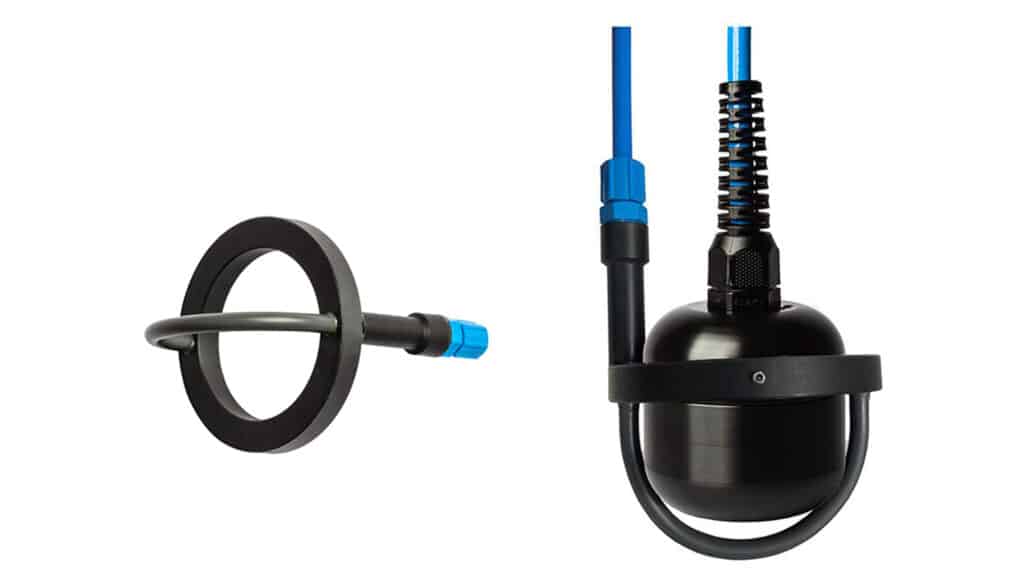
Make growth clean for your fish and your business
OxyClean fits most OxyGuard probes and can be retrofitted on existing Pacific installations. A 6 mm hose is included and installation is straightforward.
As aquaculture scales, automation becomes essential. OxyClean supports efficient, data-driven growth for your operation where cleanliness counts.