

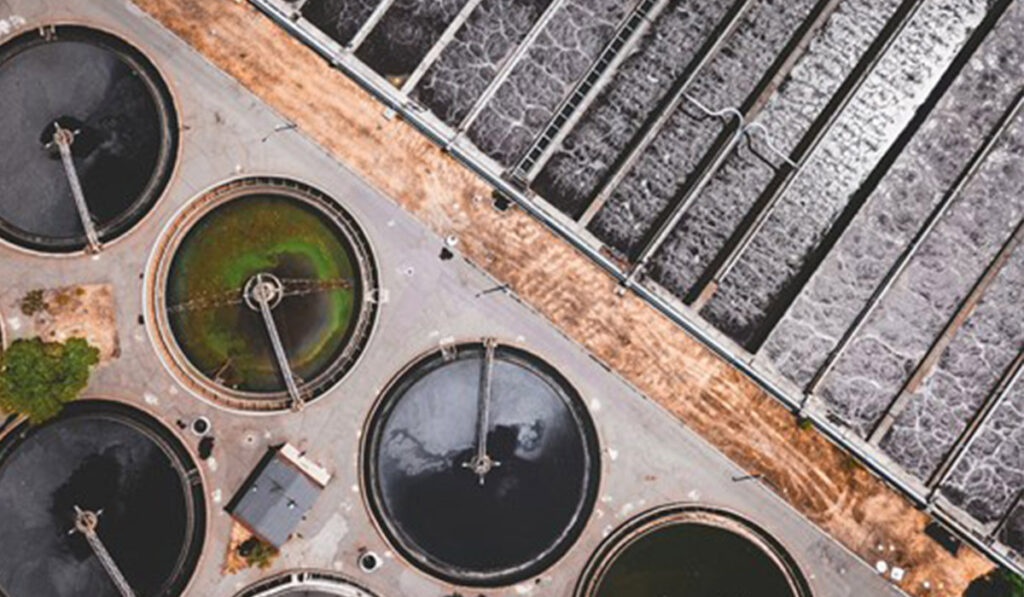
The VinInAqua project developed and demonstrated innovative self-cleaning water treatment technologies designed to enable sustainable aquaculture practices using treated wastewater. Implemented in the Lake Victoria basin, the project tackled the region’s pressing environmental and socio-economic challenges, especially the problems of overfishing and limited job opportunities.
By repurposing treated wastewater as a resource for aquaculture, the initiative offered a dual benefit: supporting food production while enhancing local sanitation outcomes. The system design emphasized robustness, low energy demand, and cost-effectiveness to ensure adaptability to the constraints of peri-urban areas where water scarcity is severe and infrastructure for wastewater management is frequently inadequate.
Through its integrative approach, VinInAqua showcased the potential of circular water use in aquaculture to improve livelihoods, enhance food security, and promote environmental sustainability in data-poor, resource-constrained settings.