

The Biocircular project applies circular principles to local food production through the design and implementation of a closed-loop bioresource system integrated into a restaurant environment. The system functions as a combined food production and organic waste treatment unit, utilizing bioconversion and aquaponics technologies to upcycle food waste into new edible biomass.
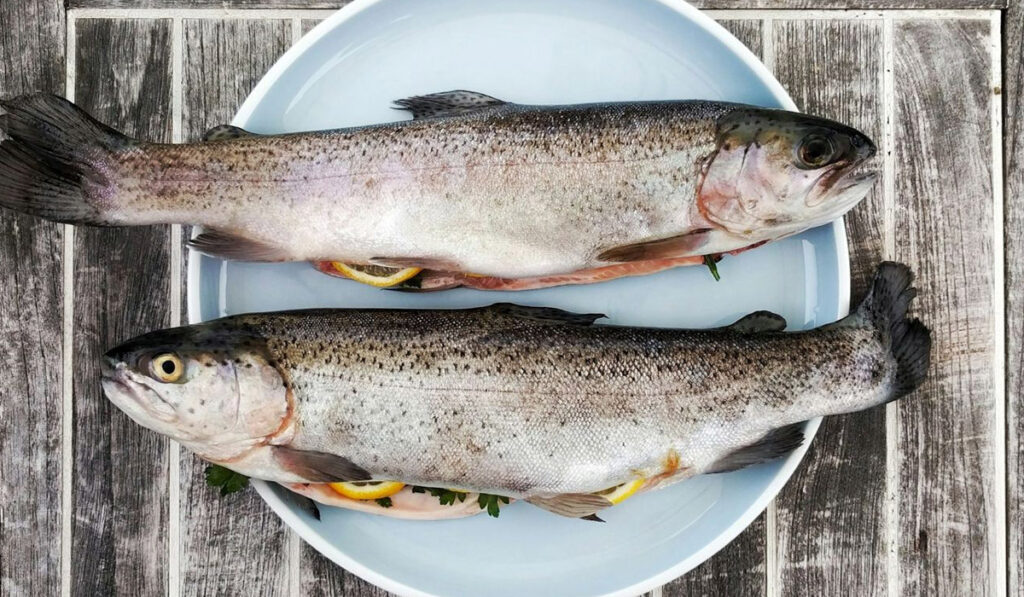
The system consists of three interconnected 40-foot modular units each dedicated to a specific biological function: insect bioconversion, aquaculture, and hydroponic plant cultivation. Organic waste from the restaurant is processed by black soldier fly larvae, which convert the biomass into high-protein insect biomass. These insects are subsequently used as feed for fish cultivated in an adjacent aquaculture unit. Nutrient-rich effluent from the fish tanks is then recirculated into a hydroponic system supporting the growth of microgreens and vegetables.
All resulting outputs—fish, edible insects, and plant biomass—are reintegrated into the restaurant’s menu, creating a functional nutrient loop. Residual organic matter is continuously cycled back into the system, minimizing waste generation and external inputs. Biocircular serves as a scalable demonstration of circular bioresource management with potential applications in urban sustainability, food security, and waste valorization research.